

Hong Kong has long been a beacon for entrepreneurs and businesses looking to expand into Asia. Its strategic location, robust legal system, and business-friendly policies make it a top destination for company formation. This guide provides a detailed roadmap for setting up a company in Hong Kong, covering everything from its economic advantages to the practical steps and challenges involved.
Business Landscape in Hong Kong
Hong Kong remains one of the most dynamic and competitive business hubs globally. Despite global economic uncertainties, the city continues to attract investors with its resilience and adaptability.
Falling Real Estate Prices: Falling real estate prices have further enhanced Hong Kong’s appeal, making office spaces more affordable for startups and small to medium-sized enterprises (SMEs). This trend offers a significant opportunity for businesses to establish a physical presence in one of the world’s most vibrant markets.
Competitive Tax Rates: Another standout feature of Hong Kong is its tax system. The corporate tax rate stands at a competitive 16.5%, and the city boasts no capital gains tax or value-added tax (VAT). Personal income taxes are also relatively low, with a progressive system that caps at 17%. These factors collectively create an environment where businesses can thrive with minimal financial burden.
Choosing the Right Business Structure
Selecting the appropriate business structure is a critical first step in establishing your company. Hong Kong offers several options:
Private Limited Company: This is the most popular choice for foreign investors due to its limited liability and separate legal entity status. Shareholders’ personal assets are protected from company debts.
Sole Proprietorship: Suitable for small-scale operations, this structure is straightforward but offers no separation between personal and business liabilities.
Partnership: Ideal for businesses with multiple owners. Partnerships can be general or limited, each with distinct liability implications.
Branch Office: Foreign companies looking to establish a presence in Hong Kong can opt for this structure, which operates as an extension of the parent company.
Each structure has its advantages and limitations. A Private Limited Company is generally recommended for most foreign entrepreneurs due to its flexibility and protections.

The Company Registration Process
Registering a company in Hong Kong is a straightforward and efficient process. The government has streamlined the steps to make it accessible for both local and international businesses.
- Choose a Company Name: Ensure the name is unique and complies with Hong Kong’s naming regulations. Make sure the chosen name does not conflict with existing entities and adheres to any restrictions on words or phrases.
- Prepare Documentation: Gather all necessary documents, including the Articles of Association, identification of directors and shareholders, and proof of a registered office address. If you are working with a professional service provider, they will guide you through these requirements.
- Submit Your Application: File the application with the Companies Registry online or in person. The process is highly efficient, and most applications are processed within a few working days. Online submissions are encouraged for faster results.
- Obtain the Certificate of Incorporation: Once your application is approved, you will receive a Certificate of Incorporation, signifying your company’s legal establishment. This document is essential for opening bank accounts and conducting formal business operations.
- Set Up a Business Bank Account: While not mandatory for registration, having a corporate bank account is crucial for operational efficiency. Choosing the right bank and preparing the necessary documentation can streamline this process. Banks in Hong Kong often require a physical presence or proof of local business activities, so planning ahead is essential.
The entire registration process is digital-friendly, reducing the time and effort required. Costs vary depending on the chosen services and business structure.
Opening a Corporate Bank Account
One of the more challenging aspects of setting up a company in Hong Kong is opening a corporate bank account. Banks in Hong Kong have stringent Know Your Customer (KYC) requirements, often requiring detailed business plans, proof of address, and identification documents for all stakeholders. The heightened scrutiny, particularly for offshore companies, can make this process time-consuming.
To overcome these challenges, businesses are advised to:
- Prepare Comprehensive Documentation: This includes business plans, financial forecasts, and proof of local operations.
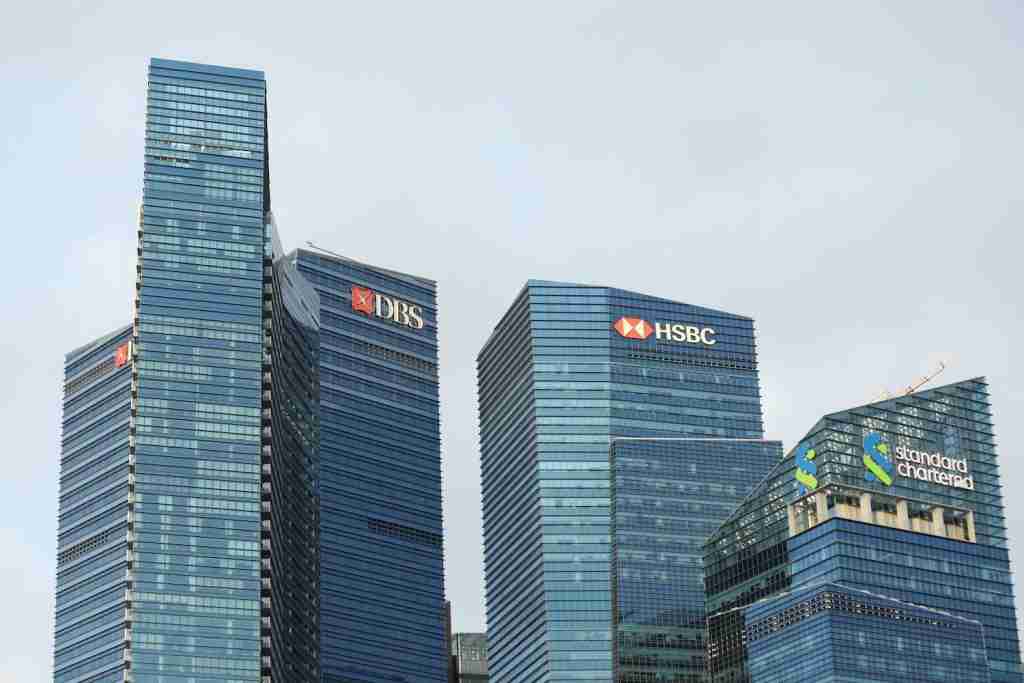
- Choose the Right Bank: Some banks are more accommodating to foreign businesses than others. Below are some of the most popular banks in Hong Kong along with their difficulty rating for opening a corporate bank account:
- HSBC: Widely regarded as the most international and robust choice. Difficulty: Medium-High (stringent KYC requirements and preference for local business activities).
- Standard Chartered: Known for flexibility with SMEs and startups. Difficulty: Medium (more lenient but still requires comprehensive documentation).
- Hang Seng Bank: A subsidiary of HSBC with a strong local focus. Difficulty: Medium (easier for businesses with local operations).
- DBS Bank: Popular for digital banking services. Difficulty: Medium (favors technology-driven businesses and startups).
- Bank of China (Hong Kong): Ideal for businesses seeking Mainland China integration. Difficulty: Medium-High (strict documentation requirements).
- Leverage Professional Services: Engaging local consultants can help navigate the banking requirements and streamline the application process.
As an alternative, many companies are now turning to virtual banks, which offer simplified account opening procedures and digital-first solutions. Virtual banks are particularly appealing for technology-driven startups and SMEs looking for cost-effective solutions.

Compliance and Regulatory Obligations
Hong Kong’s regulatory framework is transparent and straightforward. However, companies must adhere to certain requirements to remain compliant:
- Annual Audits: All companies are required to have their financial statements audited by a certified public accountant.
- Tax Filing: Companies must file annual tax returns with the Inland Revenue Department.
- Company Secretary: It is mandatory to appoint a Company Secretary who is a Hong Kong resident or a local entity.
- Registered Office Address: Businesses must maintain a local address for correspondence.
Failure to comply with these obligations can result in penalties, so it is essential to stay on top of these requirements.
Government Incentives
Hong Kong’s government actively supports businesses through various initiatives:
- Innovation and Technology Fund (ITF): Designed to support technology startups and innovation-driven businesses.
- Research and Development Cash Rebate Scheme: Encourages companies to invest in research and development by providing cash rebates.
- Free Trade Policies: Hong Kong’s free port status eliminates duties on imports and exports, fostering international trade.
- Double Taxation Treaties: Agreements with over 40 countries reduce tax burdens for businesses operating across borders.
These policies enhance Hong Kong’s position as a global business hub and make it an attractive destination for companies of all sizes.
Hiring Employees and Work Visas
Hong Kong’s workforce is highly skilled and diverse, making it an excellent location for hiring talent. However, businesses must adhere to the Employment Ordinance and labor laws, which outline employee rights and employer responsibilities.
For hiring foreign employees, companies must sponsor work visas under the General Employment Policy (GEP). This process involves demonstrating that the position cannot be filled by local talent and providing a detailed job description and employment contract.
Key Challenges
While Hong Kong offers numerous advantages, businesses may encounter challenges such as:
- Intense Market Competition: Companies need to differentiate themselves to succeed in Hong Kong’s saturated market.
- Regulatory Changes: Staying updated on regulatory developments is crucial to maintaining compliance.
- Cultural and Language Barriers: Understanding local business etiquette and communication styles can facilitate smoother operations.
Engaging local consultants and legal advisors can help address these challenges effectively.
Setting up a company in Hong Kong is a strategic move for businesses seeking to capitalize on Asia’s growth opportunities. With its low taxes, streamlined registration processes, and robust legal framework, Hong Kong continues to be a preferred destination for entrepreneurs and corporations alike. By understanding the local landscape, leveraging government incentives, and navigating challenges effectively, businesses can unlock the full potential of this dynamic market. If you’re ready to start your journey, consult professional services to ensure a seamless setup and long-term success.