
About the Shenzhen Free Trade Zone
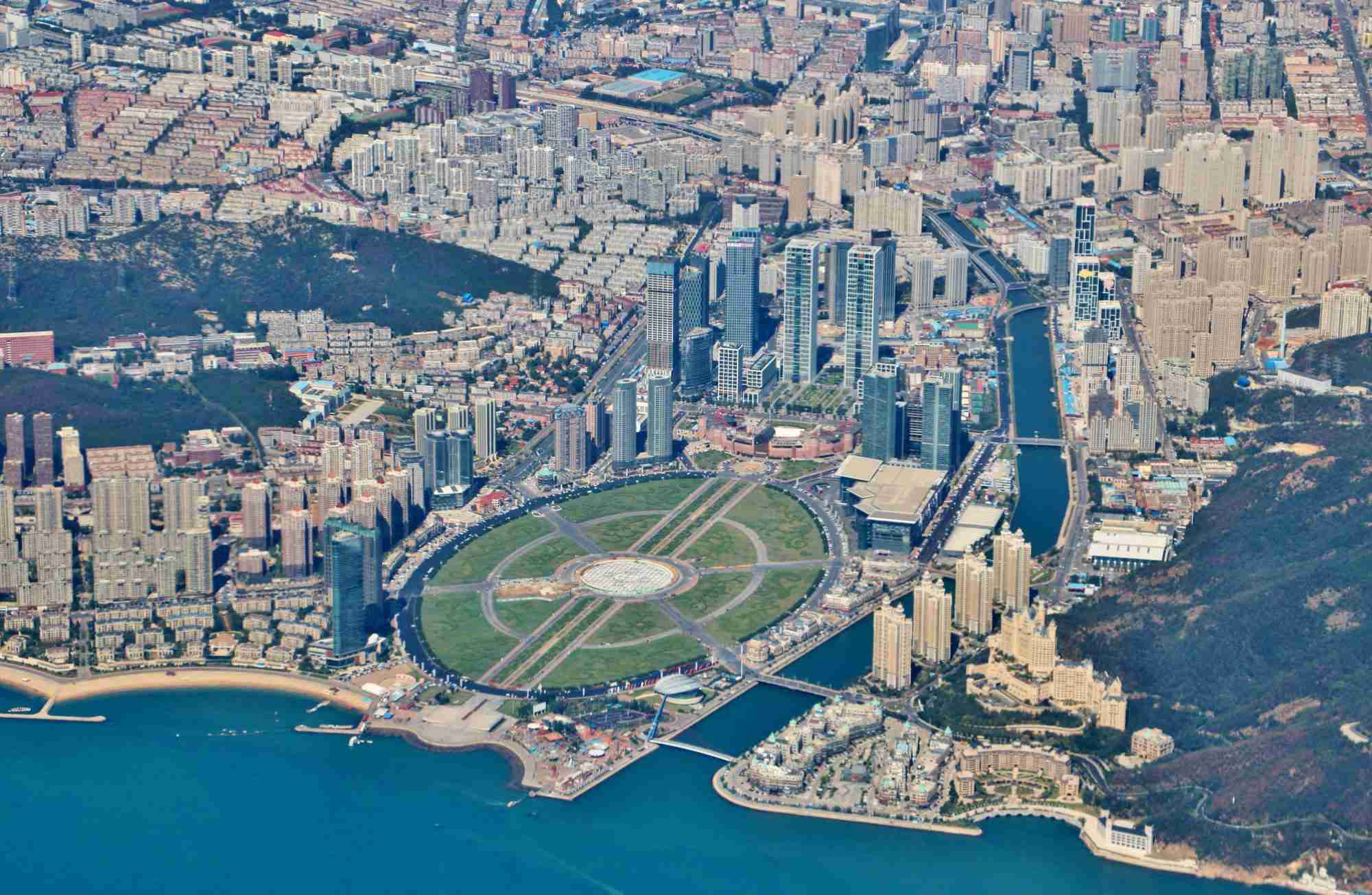
Dalian, a key coastal city in Liaoning Province, is an economic hub with advanced infrastructure and strategic proximity to Northeast Asia’s major markets. The Dalian Free Trade Zone aims to attract businesses by offering benefits such as VAT and stamp duty refunds, tax exemptions on initial imports, and streamlined customs procedures. Companies in the zone also enjoy access to a variety of warehousing and logistics services, creating an efficient environment for trade and manufacturing operations.
Key Benefits of the Dalian Free Trade Zone
Tax Exemptions and Incentives: Companies operating within the Dalian FTZ enjoy preferential tax policies, including exemptions on import duties.
Simplified Customs Procedures: The Dalian FTZ provides streamlined customs clearance processes, significantly reducing the time and cost associated with import and export operations.
Access to Foreign Exchange and Currency Flexibility: Businesses within the Dalian FTZ benefit from easier access to foreign exchange, including the ability to open FTZ bank accounts in multiple currencies. This allows for smoother cross-border transactions, providing flexibility for companies engaged in global trade and investment.
Strategic Location and Logistics Infrastructure: Dalian is home to one of China’s busiest ports, making it an ideal location for logistics and trade. The Dalian FTZ benefits from strong maritime and land transportation infrastructure, including well-connected highways, railways, and an international airport, ensuring efficient movement of goods and services. This makes the zone an ideal base for companies focused on regional and global logistics.
Import tax exemption
Logistics infrastructure
0% Exchange rate
Dalian FTZ Registration Procedure
1. Preparation
Deciding your company's structure and details.
- Company name in Chinese
- Company name in English (optional)
- Registered address
- Registered capital
- Shareholder/s
- Business scope
2. Document submission
Collection and organizing your company registration application.
- Notarized shareholder/s documents
- Articles of incorporation
- Chinese translations of documents
- Authentication by Chinese embassy
15 working days
3. Company registration
Application with the administration for Market Regulation (AMR). Your wholly owned foreign enterprise is registered and company chops issued.
15 working days
4. Corporate Accounts
Opening of your corporate bank account & tax accounts.
- Corporate bank account
- Social insurance account
- Housing fund account
- Tax registration number
5. License applications
Application and issuance of additional licenses if applicable.
- Import / export license
- Food & beverage license
- Alcohol license
- Medicine license
6. Post-registration support
Monthly tax & accounting reports for compliance.
Our Free Trade Zones
Free Trade Zone Company Types
Trading WFOE
For companies importing into or exporting out of China.
Trading WFOEs are essentially consulting WFOEs armed with an import/export license and other licenses for specialty products. Trading companies can take advantage of Free Trade zones in Shanghai & Guangdong.
Manufacturing WFOE
For companies conducting manufacturing operations in China.
A manufacturing Wholly Foreign Owned Enterprise is a highly specialized WFOE that has passed safety and environmental government examinations in order to manufacture products in China. Ideal for assembling final or intermediate goods.
Joint Venture
For companies with foreign and Chinese shareholders.
A joint venture (JV) is a company with both foreign shareholders and Chinese shareholders. As of 2021, there is no % ownership limitation of any party in the JV. JVs are able to operate in more restrictive and higher liability business sectors within China.
Our Working Process
Consultation & Proposal
We (can) advise you on the best solution for your business model and send you our comprehensive proposal.
Signing & Payment
After reviewing the proposal, we sign the service contract and receive your payment.
Preparing Documents
We send you an application form as well as the list of documents we need from your side.
Free Trade Zones FAQs
What is a free trade zone, and how does it work in China?
A free trade zone in China is a designated area where goods can be imported, processed, and exported without customs duties. FTZs aim to encourage trade, investment, and innovation by offering streamlined administrative processes and special policies.
Why were free trade zones established in China?
FTZs were established to experiment with reforms and policies that could boost foreign investment, enhance trade liberalization, and modernize China’s economy. They act as testing grounds for economic reforms.
How many free trade zones are there in China, and where are they located?
As of now, China has 21 free trade zones located in key regions, including Shanghai, Guangdong, Hainan, and others. Each zone focuses on specific industries and strategic goals.
What are the main benefits of operating within a free trade zone?
Benefits include reduced customs duties, streamlined business registration processes, improved foreign currency management, and tax incentives.
What industries are typically encouraged in free trade zones?
Industries vary by zone but often include manufacturing, e-commerce, logistics, finance, high-tech industries, and biopharmaceuticals.
Are there specific tax advantages or incentives for companies in free trade zones?
Yes, companies may benefit from reduced corporate income tax rates, exemptions on customs duties, and VAT reductions for certain industries.
How does an FTZ differ from regular business zones in China?
FTZs are more focused on trade facilitation, financial liberalization, and innovation, while economic zones typically focus on infrastructure and broader industrial development.
Can foreign companies operate in these zones, and what are the requirements?
Yes, foreign companies are encouraged to operate in FTZs. Requirements include registering a legal entity, such as a Wholly Foreign-Owned Enterprise (WFOE), and complying with local regulations.
What types of businesses are best suited to set up in a free trade zone?
Businesses involved in international trade, logistics, manufacturing, R&D, and e-commerce benefit the most due to reduced trade barriers and incentives.
How do import and export processes differ in a free trade zone?
Goods can enter FTZs duty-free and undergo processing or storage before re-export or sale within China. Customs procedures are simplified for faster clearance.
Are there customs or tariff exemptions for goods stored or manufactured in an FTZ?
Yes, goods stored or processed within an FTZ are typically exempt from customs duties until they leave the zone and enter the domestic market.
Can goods be freely moved in and out of free trade zones without duties?
Yes, as long as the goods remain within the FTZ or are re-exported. Duties apply only when the goods enter China’s domestic market.