
Medical Devices
Medical Device Trading WFOE
Register a medical devices trading wholly foreign owned enterprise to export (or import) medical devices from or to China.
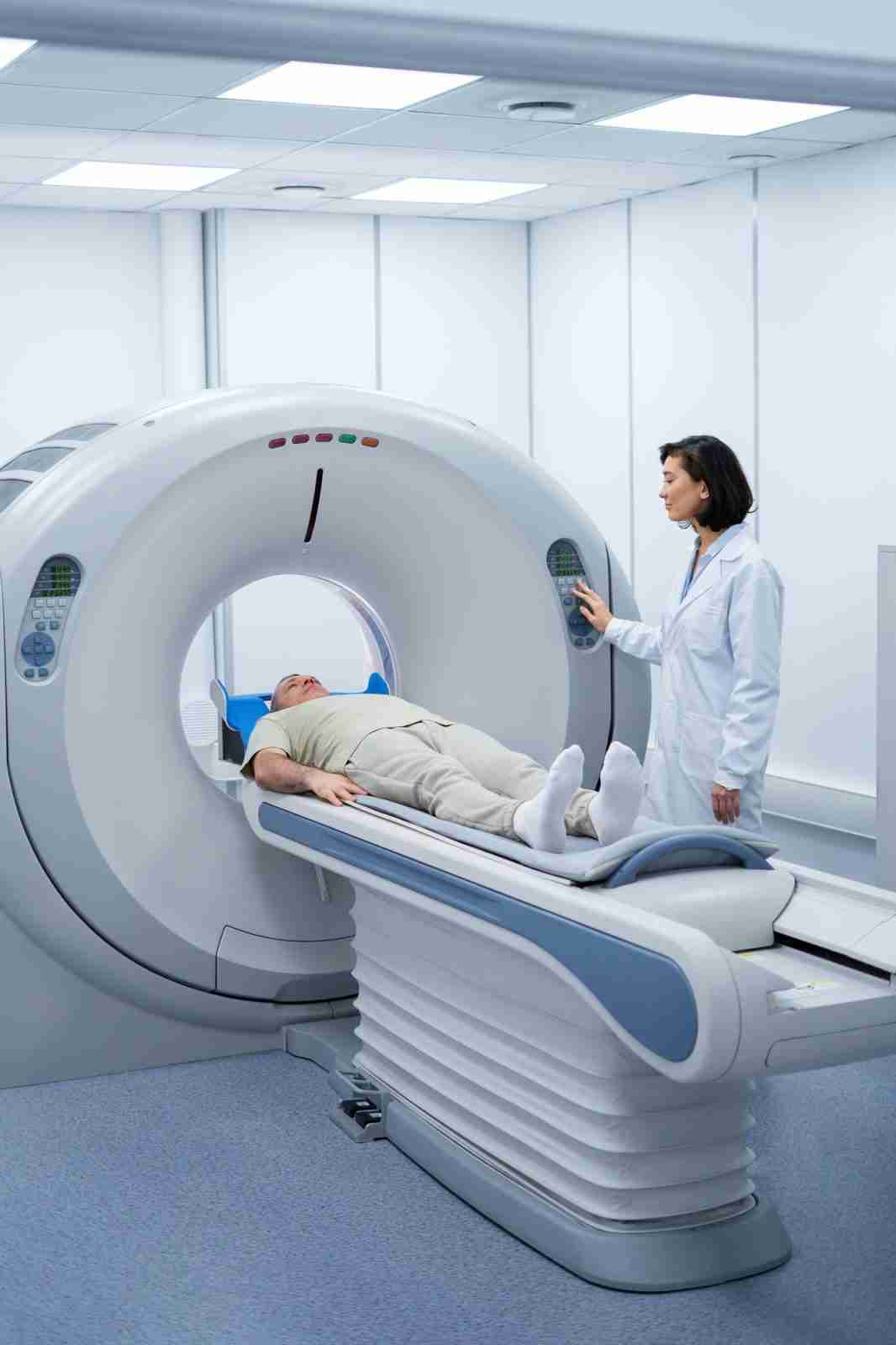
Registering a Medical Device Trading Business in China
Foreign businesses must establish a Wholly Foreign-Owned Enterprise (WFOE) with the necessary licenses to import, distribute, and sell wine in China. The registration process includes:
- Business License: Register with the State Administration for Market Regulation (SAMR).
- Import & Distribution Permits: Obtain certifications for legal wine importation.
- Customs & CIQ Registration: Comply with China Customs (GACC) and Inspection and Quarantine (CIQ) standards.
- Labeling & Product Registration: Ensure wine labels meet Chinese regulations.
To sell to consumers and retailers, a Food & Beverage Import License is required, along with a Food Distribution License. A Retail Liquor License allows direct sales to consumers, while a Liquor Wholesale License is needed for distribution. A properly registered WFOE grants full control over branding, pricing, and sales operations.
Our Medical Device Trading WFOE Registration Procedure
1. Preparation
Deciding your company's structure and details.
- Company name in Chinese
- Company name in English (optional)
- Registered address
- Registered capital
- Shareholder/s
- Business scope
2. Document submission
Collection and organizing your company registration application.
- Notarized shareholder/s documents
- Articles of incorporation
- Chinese translations of documents
- Authentication by Chinese embassy
15 working days
3. Company registration
Application with the administration for Market Regulation (AMR). Your wholly owned foreign enterprise is registered and company chops issued.
15 working days
4. Corporate Accounts
Opening of your corporate bank account & tax accounts.
- Corporate bank account
- Social insurance account
- Housing fund account
- Tax registration number
5. License applications
Application and issuance of additional licenses if applicable.
- Import / export license
- Medical Device Distribution License
6. Post-registration support
Monthly tax & accounting reports for compliance.
How to Sell Medical Devices in China:
A Step-by-Step Guide for Foreign Businesses
Foreign businesses looking to import, distribute, and sell medical devices in China must establish a Wholly Foreign-Owned Enterprise (WFOE) and secure the necessary licenses to ensure compliance with strict regulations.
The registration process includes
Medical Device Registration (NMPA): Obtain approval from the National Medical Products Administration (NMPA), which classifies devices into Class I, II, or III based on risk level.
Import & Distribution Permits: Secure the necessary certifications for legally importing and distributing medical devices in China.
Customs & CIQ Registration: Ensure compliance with China Customs (GACC) and Inspection and Quarantine (CIQ) standards for medical imports.
Labeling & Product Compliance: Medical devices must meet Chinese regulatory standards, including labeling in Chinese, proper safety documentation, and local testing if required.
To sell to hospitals, clinics, and consumers, businesses must obtain a Medical Device Distribution License. For high-risk (Class II & III) medical devices, additional permits and post-market surveillance compliance may be required.
A properly registered WFOE provides full control over branding, pricing, and distribution, ensuring compliance and long-term success in China’s growing healthcare market.

OMC Medical
Medical Devices
OMC Medical
OMC Medical in China
Medical Device Success Story
OMC Medical is a multinational medical regulator providing global regulatory support for medical devices & cosmetics.
Types of Companies you can Register in China
Consulting WFOE
For companies providing services in or from China.
A consulting WFOE is the most simple foreign-owned legal entity to set up. No additional licenses or certificates are needed.
Trading WFOE
For companies importing into or exporting out of China.
Trading WFOEs are essentially consulting WFOEs armed with an import/export license and other licenses for specialty products. Trading companies can take advantage of Free Trade zones in Shanghai & Guangdong.
Manufacturing WFOE
For companies conducting manufacturing operations in China.
A manufacturing Wholly Foreign Owned Enterprise is a highly specialized WFOE that has passed safety and environmental government examinations in order to manufacture products in China. Ideal for assembling final or intermediate goods.
Representative Office
For companies conducting nonprofit activities.
A representative office is ideal for a nonprofit operation such as on-site customer support for existing clients, field research and/or marketing.
Joint Venture
For companies with foreign and Chinese shareholders.
A joint venture (JV) is a company with both foreign shareholders and Chinese shareholders. As of 2021, there is no % ownership limitation of any party in the JV. JVs are able to operate in more restrictive and higher liability business sectors within China.
Our Working Process
1. Consultation & Proposal
We (can) advise you on the best solution for your business model and send you our comprehensive proposal.
2. Signing & Payment
After reviewing the proposal, we sign the service contract and receive your payment.
3. Preparing Documents
We send you an application form as well as the list of documents we need from your side.
Incorporation FAQs
What are the types of companies that foreigners can register in China?
Foreigners can register several types of companies in China, including:
- Wholly Foreign-Owned Enterprises (WFOEs): Fully owned by foreign investors.
- Joint Ventures (JVs): Partnerships between foreign and local investors.
- Representative Offices (ROs): A liaison office without independent business rights.
What are the basic requirements to register a company in China?
Key requirements include:
- A unique company name (approved by the local Administration for Market Regulation).
- Stated registered capital (varies by business type).
- A physical office address in China.
- Legal representatives and shareholders’ information.
- A business scope aligned with Chinese regulations.
How long does it take to register a company in China?
The entire process typically takes 1-3 months, depending on:
- The business structure.
- Completeness of documents.
- Specific location and administrative efficiency.
What is a WFOE, and why is it popular among foreign investors?
A Wholly Foreign-Owned Enterprise (WFOE) is a legal entity fully owned by foreign investors. It’s popular because:
- It allows full control over operations.
- It can issue invoices (fapiao) and engage in profit-making activities.
- It protects intellectual property.
- It permits hiring staff directly.
How much registered capital is needed to open a company in China?
China does not mandate a minimum for many industries, but having sufficient capital demonstrates financial strength.
The registered capital amount varies based on industry and business location.
- For general consulting WFOEs, RMB 100,000 to RMB 500,000 is common.
- For manufacturing, logistics, or trading, it can exceed RMB 1 million.
Can I register a company in China without being physically present?
Yes, in many cases, you can delegate the process to a local firm like FDI China. However, for opening a bank account, personal presence is required.
Do I need a Chinese partner to start a business in China?
No, you don’t need a Chinese partner to register a WFOE. However, if you opt for a Joint Venture (JV), you must collaborate with a Chinese entity.
What is the role of a legal representative in a Chinese company?
The legal representative is the person who has the authority to act on behalf of the company. They:
- Sign key documents.
- Represent the company in legal and financial matters.
- Are responsible for the company’s compliance.
This person can be a foreigner or a Chinese citizen.
What is a business scope, and why is it important for company registration?
The business scope defines the activities your company is legally allowed to perform in China. For example, “import/export trade” or “IT consulting services.”
A well-defined business scope ensures compliance and prevents issues during tax filing or licensing.
Can a foreign company own property in China?
Yes, a foreign company can own property in China if it is registered locally as a WFOE or JV. Representative Offices (ROs), however, cannot directly own property.
Do I need a commercial ICP license to operate a business website in China?
Yes, if you plan to run an e-commerce website or any profit-generating online platform, you must obtain a commercial ICP license. Non-profit websites only require a standard ICP filing.
Can I register a company in China and hire foreign employees?
Yes, foreign companies can hire both local and foreign employees. To hire foreign staff, the company must provide a work permit and assist with the visa process.
What are the post-registration compliance requirements?
Once registered, a company must:
- File taxes monthly & quarterly.
- Maintain proper accounting and auditing.
- Follow labor laws for employee contracts and social insurance.
Can a company in China send funds overseas?
Yes, a company in China can send funds overseas.
The process depends on the nature of the transaction.
Payment for Goods or Services
- Requirements:
- A valid contract or invoice.
- Proof of goods received or services rendered (e.g., customs declaration, shipping documents).
- Proper documentation for foreign exchange approval.
Dividends Repatriation
- Requirements:
- The company must complete annual financial audits and profit distributions.
- Corporate income tax must be settled.
- Submission of supporting documents, including the audited financial report, board resolution, and tax payment certificates.
Royalties and Licensing Fees
- Requirements:
- A licensing or technical service agreement.
- Tax clearance or proof of withholding tax payment.
- SAFE approval, depending on the amount.
Employee Salaries and Benefits
- Requirements:
- Work permits and contracts for foreign employees.
- Tax clearance certificates.
What restrictions exist on foreign ownership and investment for certain industries?
China uses a Negative List for Foreign Investment to outline restricted and prohibited industries.
- Restricted industries: Foreign ownership may be limited to a joint venture with Chinese partners or capped at a certain percentage.
- Prohibited industries: Foreign investment is outright banned.
Examples include specific areas of telecommunications, education, and cultural industries. Always review the latest Negative List as it is periodically updated.