
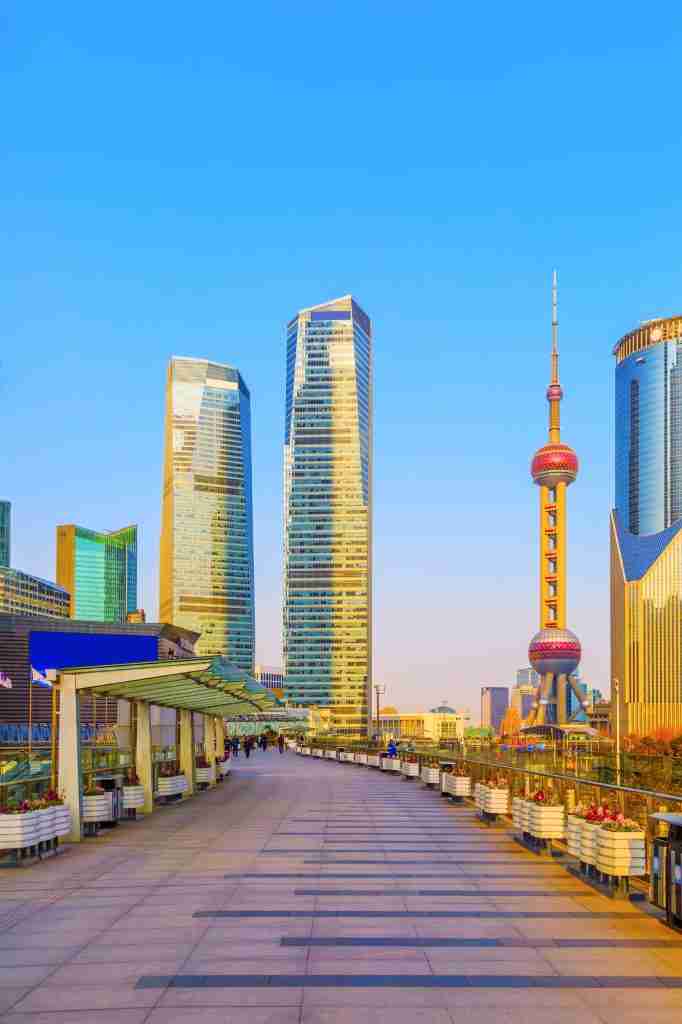
Foreign companies looking to enter China in 2025 are met with vast choices, but success often hinges on choosing the right city, one that matches your industry, strategic goals, and operational needs. While China offers nationwide improvements in business climate and foreign investment policies, certain cities clearly stand out for their internationalization, incentives, infrastructure, and talent access.
Here are the top five destinations in China for foreign company registration in 2025, including the size of the expat population, industry specializations, and what sets them apart.
1. Shanghai: The International Financial and Commercial Center
Estimated Foreigner Population (2024): ~80,000
Top Foreign Nationalities: Japanese, American, Korean, German, French
Shanghai is China’s most developed and international city, offering a refined business ecosystem and a strong rule-of-law framework for foreign-invested enterprises. It continues to be the top choice for multinationals, financial institutions, and luxury or lifestyle brands.
Business Highlights:
China (Shanghai) Pilot Free Trade Zone: The first FTZ in the country, allowing streamlined company setup and customs procedures.
Pudong as a Financial Gateway: Home to the Shanghai Stock Exchange and headquarters of China’s largest financial institutions.
Strong Regulatory Support: Local government provides bilingual support, simplified licensing for service industries, and sector-specific subsidies.
Talent Magnet: Top-tier local universities and large pools of bilingual professionals in legal, finance, marketing, and tech.
Foreign Business Environment:
Over 60,000 foreign-invested enterprises are based in Shanghai. Shanghai attracted over 6,000 new foreign companies in 2023.
Many global companies use Shanghai as their Greater China HQ.
Shanghai is also home to more than 700 regional headquarters of multinational corporations.
Ideal For: Financial institutions, B2B service providers, international trade, luxury retail, and e-commerce platforms.
2. Shenzhen: China’s Tech-Driven Startup and Innovation Hub
Estimated Foreigner Population (2024): ~30,000
Top Foreign Nationalities: Hong Kong SAR, Japanese, Korean, U.S., Israeli
From a fishing village to a global innovation center in just four decades, Shenzhen now leads China’s tech ecosystem. With close ties to Hong Kong, it offers foreign companies access to R&D clusters, hardware supply chains, and a vibrant startup scene.
Business Highlights:
National High-Tech Development Zone: Houses global tech giants like Tencent, Huawei, and DJI.
Preferential Policies for Startups: Tech incubators and VC support for AI, biotech, hardware, and smart manufacturing.
Greater Bay Area (GBA): Policy synergy with Hong Kong and Macau encourages cross-border capital, data, and talent flows.
Smart Government Services: E-registration, e-invoicing, and digital tax systems streamline compliance.
Foreign Business Environment:
Shenzhen is home to over 30,000 foreign-invested enterprises, many of them in electronics and innovation-driven sectors. In 2024, Shenzhen recorded the establishment of 9,738 new foreign-invested enterprises, a 21.7% year-on-year increase — earning it the top spot among all mainland Chinese cities for attracting foreign investment.The city has built international-friendly business districts like Nanshan and Futian, where English is widely used and support is available for foreign founders.
Ideal For: Tech startups, SaaS firms, robotics, gaming, hardware manufacturers, and digital brands.
3. Beijing: China’s Regulatory, Policy, and R&D Nexus
Estimated Foreigner Population (2024): ~40,000
Top Foreign Nationalities: Korean, American, Japanese, French, German
Beijing is China’s capital and political nerve center — home to all central regulatory bodies and top academic institutions. It is the best place for industries that require close regulatory engagement, high-level R&D partnerships, or operate in government-regulated spaces.
Business Highlights:
Zhongguancun Science Park: The “Silicon Valley of China,” with over 20,000 high-tech companies.
Policy Proximity: Easy access to central ministries and regulatory authorities such as MOFCOM, SAMR, and SAFE.
Academic and Research Ties: Partnerships with Tsinghua, Peking University, and national labs in pharma, energy, AI, and more.
Multilateral Influence: Beijing hosts the headquarters of several UN and global agencies, NGOs, and trade chambers.
Foreign Business Environment:
Beijing saw 2000 foreign-invested enterprises set up in the city in 2024, including major pharmaceutical, aviation, and professional service firms .
Highly developed diplomatic and legal infrastructure, including international arbitration centers and embassies.
Ideal For: Consulting firms, legal services, med-tech, education providers, aerospace, and highly regulated sectors.
4. Xi’an: Western China’s Rising Innovation and Logistics Hub
Estimated Foreigner Population (2024): ~8,000
Top Foreign Nationalities: Russian, American, Kazakh, German, Korean
Xi’an, one of China’s oldest cities, is now becoming one of its most dynamic business centers. Located at the crossroads of China’s western development strategy and the Belt and Road Initiative, Xi’an is attracting foreign investment in logistics, aerospace, high-tech manufacturing, and education.
Business Highlights:
China-Europe Railway Hub: A critical node in cross-border rail freight connecting China to Europe and Central Asia.
Aerospace & Advanced Manufacturing: Home to major players in civil aviation, satellites, and electronics.
Government Support for Western Growth: Local authorities offer rent subsidies, tax relief, and fast-tracked registration for foreign-invested companies.
University-Driven R&D: Top institutions like Xi’an Jiaotong University fuel innovation and engineering talent.
Foreign Business Environment:
In 2023, Xi’an achieved a significant milestone by registering 408 new foreign-funded enterprises, marking a 29.9% year-on-year increase and the highest number in over two decades. Xi’an has over 6,000 registered foreign-invested enterprises, with growing clusters in logistics parks, bonded zones, and hi-tech parks.
It is a favored location for foreign companies setting up R&D centers, backend operations, or inland distribution networks.
Ideal For: Logistics providers, aviation and aerospace companies, manufacturing, BPOs, and educational institutions.
5. Yiwu: Global Trading Hub for SMEs and E-Commerce Sellers
Estimated Foreigner Population (2024): ~10,000
Top Foreign Nationalities: Arab, African, Indian, Pakistani, Turkish
Yiwu, located in Zhejiang Province, is known globally as the “World’s Supermarket”. It is the largest wholesale market for small commodities and has evolved into a vital hub for foreign traders, export businesses, and cross-border e-commerce sellers.
Business Highlights:
Yiwu International Trade Market: A 5-million-square-meter mega-complex home to over 75,000 vendors.
Cross-Border E-Commerce Zone: Streamlined logistics, bonded warehouses, and export tax rebates tailored for small businesses.
Yiwu-Madrid Railway: Direct freight train links to Europe under the Belt and Road Initiative.
Ease of Setup for Foreigners: Local authorities actively assist foreign nationals with company registration, visas, and logistics services.
Foreign Business Environment:
Thousands of foreign nationals live and operate trading businesses in Yiwu, forming one of China’s most diverse small-business communities.
Strong presence of export agencies, logistics forwarders, and e-commerce support services.
Ideal For: Small to medium-sized trading companies, Amazon sellers, wholesale distributors, cross-border e-commerce, and sourcing agents.
Final Thoughts
Each of these cities offers a unique entry point into China’s complex and fast-moving economy. Whether your business is looking for global financial access, tech development, manufacturing capacity, trade logistics, or regulatory proximity, the right city will give you a competitive edge.
Summary Table: Top Cities in China for Foreign Company Setup
| City | Foreigner Population | Key Advantage | Best For |
|---|---|---|---|
| Shanghai | ~80,000 | Global business ecosystem | Finance, trade, e-commerce, HQs |
| Shenzhen | ~30,000 | Tech and innovation ecosystem | Startups, hardware, software, R&D |
| Beijing | ~40,000 | Policy and research proximity | Regulated sectors, med-tech, education, consulting |
| Xi’an | ~8,000 | Logistics and Belt & Road connectivity | Manufacturing, logistics, aviation, tech-based inland expansion |
| Yiwu | ~10,000 | Wholesale and SME trading powerhouse | Trading companies, Amazon sellers, export-focused small businesses |